When you think about driving under the influence, you may picture a driver leaving a bar after having one too many drinks before getting behind the wheel. While these instances are incredibly common, it’s important to understand that driving under the influence isn’t exclusive to alcohol. Many individuals in Nassau County and throughout Long Island are charged with this offense for operating a vehicle while under the influence of drugs. As such, if you are facing charges, understanding how a drug-based DWI charge differs from a standard DWI in New York is critical. The following blog explores what you should know about these legal matters, including the importance of working with an experienced Nassau County drug DUI attorney.
Understanding Drugged Driving Charges in New York
Driving under the influence is a very serious crime in the state of New York. Those who drive under the influence of alcohol can be charged with Driving While Intoxicated (DWI). Individuals who drive under the influence of drugs can be charged with Driving While Ability Impaired by Drugs (DWAI-Drug). If an individual is believed to be under the influence, a law enforcement officer may conduct a field sobriety test. In the event that a driver fails the test, they can be brought to the police station for a blood test to determine if they have been using drugs.
Drivers under the influence of drugs may be facing a misdemeanor charge. The consequences of a DWAI-Drug charge are similar to those of a regular DWI offense. Law enforcement officers and courts in New York are aggressive in penalizing these offenders. DWAI-Drug offenses may come with a range of consequences, from fines to possible jail time. It is important to seek an experienced attorney if you received a DWAI-Drug charge.
Drugged driving laws apply throughout New York State, including in Nassau County and communities like Garden City, Massapequa, and Hempstead. Because these charges are governed by New York Vehicle and Traffic law, those accused of DWAI-Drug will generally appear in local criminal courts in the county where the alleged offense occurred.
How New York Defines Drugged Driving (DWAI-Drug)
Under New York law, a driver can face a DWAI-Drug offense if they operate a vehicle while under the influence of drugs. These can include controlled substances, prescription medications, and even over-the-counter medicines that impact a driver’s ability to safely operate a motor vehicle. Police officers may utilize chemical testing, field sobriety tests, and observations to establish probable cause for an arrest.
A drug DWI in New York, formally referred to as a DWAI-Drug, occurs when someone operates a motor vehicle while impaired by drugs. Unlike alcohol-based DWI offenses, drugged driving can involve a number of substances, both illegal and legal, that can impact a driver’s ability to safely control the vehicle.
A driver may face an arrest if the law enforcement officer conducting the stop believes that drugs have impaired the dirvers ability to operate a vehicle.
Common Drugs That Can Lead to a DWAI-Drug Offense
- Illicit substances like cocaine, heroin, and methamphetamines
- Marijuana or cannabis, if it impacts the ability to drive
- Over-the-counter medications that cause drowsiness or reduce reaction times
- Prescription medications, like sleeping pills, opioids, or benzodiazepines
- Combination drugs that impact coordination, alertness, and judgment
Penalties for a First DWAI-Drug Offense in New York
Like those who receive a first DWI offense, first DWAI-Drug offenders may face a range of penalties for committing the misdemeanor. This may include:
- Fines between $500-$1000
- The possibility of jail time up to 1 year
- State surcharges and assessment fines
- A suspended license for a minimum of 6 months
First-time offenders may be eligible for a conditional driver’s license if they participate and pass the Impaired Driver Program (IDP).
Penalties for a Second DWAI-Drug Offense in New York
If an individual is charged with their second DWAI-Drug charge within 10 years of the first one, their penalties may increase. A second DWAI-Drug offense is considered a Class E felony in the state of New York. If an individual is convicted, they may face the following consequences:
- Fines from $1000-$5000
- The possibility of jail time up to 4 years
- State surcharges and assessment fines
- A revoked license for at least 1 year
Similar to the first time, a second-time offender may be required to participate in the Impaired Driver Program.
Penalties for a Third or Subsequent DWAI-Drug Offense in New York
If a third-time DWAI-Drug offender receives their charge within 10 years, penalties can worsen. This charge is considered a Class D felony. The consequences of this may include:
- Fines from $2000-10,000
- The possibility of jail time up to 7 years
- State surcharges and assessment fines
- A revoked license for a minimum of 1 year
Additional Consequences of a Drugged Driving Conviction
Beyond jail time and hefty fines, a DWAI-Drug conviction can result in lasting impacts on the defendant. Not only can this impact your driving privileges, but it can also impact your employment opportunities and insurance costs.
Other Consequences Drivers May Face
- Installation of an ignition interlock device in certain instances
- Considerable increase in car insurance premiums, as you are now considered a “high-risk” driver
- Permanent criminal record
- Difficulty obtaining professional licenses
- Mandatory participation in a substance abuse program
- Probation
What Happens After a Drugged Driving Arrest in New York?
If you are placed under arrest for a DWAI-Drug in Garden City, Hempstead, Westbury, or any other community in or around Nassau County, understanding what can happen can give you adequate time to prepare for what comes next.
Typical Steps Following a DWAI-Drug Charge
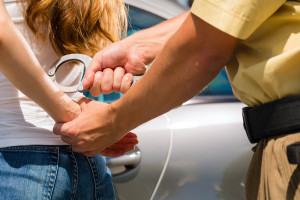
- The driver may be taken into custody and transported to the local police station for chemical testing
- Police officers will document the scene and collect evidence
- The driver will appear in front of a judge for arraignment
- A judge can impose a license suspension or other penalties
- The case will proceed through the Nassau County Superior Court for hearings, negotiations, and potentially a trial
Contact an Experienced Nassau County DWI Attorney
At KCS Law, our experienced attorneys understand how overwhelming it can be to face charges for drugged driving in New York. That is why our firm is committed to providing you with the best legal representation possible to fight the charges against you. When you need legal assistance, do not hesitate to contact our firm to learn how we can represent you.